


Beyond the Resume
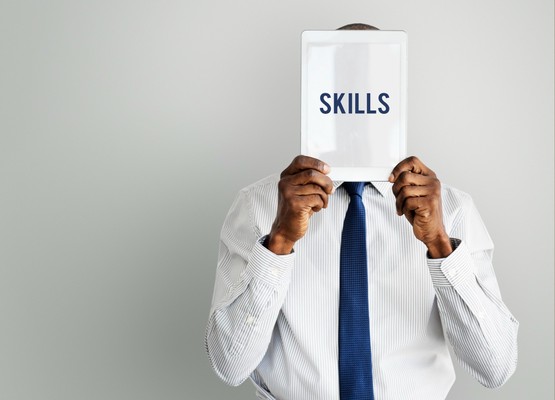
In the current professional landscape, the definition of "skill" has shifted. It is no longer just about what you know—it's about how you apply it and how quickly you can learn the next thing. We generally categorize these abilities into two distinct buckets: Hard Skills and Soft Skills.
Hard Skills
These are the technical abilities and knowledge sets required to perform specific tasks. They are measurable and often acquired through formal education or training.
- Data Analysis
- Coding & Development
- Project Management
- Foreign Languages
Soft Skills
Often called "durable skills," these are interpersonal attributes that dictate how you work and interact with others. They are increasingly valued in the age of AI.
- Emotional Intelligence
- Critical Thinking
- Adaptability
- Effective Communication
The Rise of "Learnability"
Perhaps the most critical skill in 2026 is Learnability—the desire and ability to quickly grow and adapt one's skill set. As technology cycles shorten, the "half-life" of a technical skill is now estimated to be only five years. This means that staying relevant requires a mindset of continuous improvement rather than a one-time degree.
"The illiterate of the 21st century will not be those who cannot read and write, but those who cannot learn, unlearn, and relearn." — Alvin Toffler
Conclusion
The ideal modern professional is T-Shaped: possessing deep expertise in one specific area (the vertical bar) and a broad ability to collaborate across disciplines (the horizontal bar). By balancing technical prowess with human-centric soft skills, you create a career that is not just productive, but future-proof.
Leave a Comment